

AI is swiftly reshaping talent acquisition, and it’s not slowing down. Teams are already handing over scheduling, screening, data entry and other lower-value recruitment tasks to automation, and getting back meaningful hours each week. But more time on your hands doesn’t mean fewer people are needed on your team. It means you’re now positioned to deliver high-impact work, elevate your strategic contribution and clearly demonstrate to the business the value of talent acquisition.
The teams that thrive won’t be the ones who cut headcount as AI scales. They’ll be the ones who use this newfound capacity wisely – shifting from task execution to strategic partnership, talent intelligence, workforce planning, and human connection where it matters most. AI gives talent acquisition the chance to level up, redefine its impact, and show the business why talent acquisition is a mission-critical function.
It’s time to redefine the role of recruiters into talent advisors and reposition the talent acquisition function. Here’s 10 key ways your talent acquisition team can become a strategic, business-driving partner and earn the recognition it deserves.
10 ways to reposition talent acquisition as a strategic driver
1. Contribute to strategic workforce planning
With AI handling high-volume admin, recruiters can move upstream and participate in workforce planning. Instead of reacting to requisitions, talent acquisition can forecast skill needs, map capability gaps, and shape hiring plans before the business demands them. This positions recruiters as strategic contributors, not order-takers.
2. Becoming true talent advisors
Freed from inbox-heavy work, recruiters can deepen their partnerships with hiring managers. They can coach leaders on candidate expectations, market realities, and competitive pressures. By challenging outdated job descriptions, influencing decisions with data, and sharing ways to unveil candidates’ true skillsets, recruiters become trusted advisors who guide better outcomes.
3. Bringing the human back into candidate experience
AI accelerates hiring, but real connection still comes from people. Recruiters can lean into personalisedpersonalized outreach, transparent communication, and building real relationships with top talent. These human touches are what differentiate your employer brand in a world where automation is a standard.
4. Moving from reactive to proactive pipelines
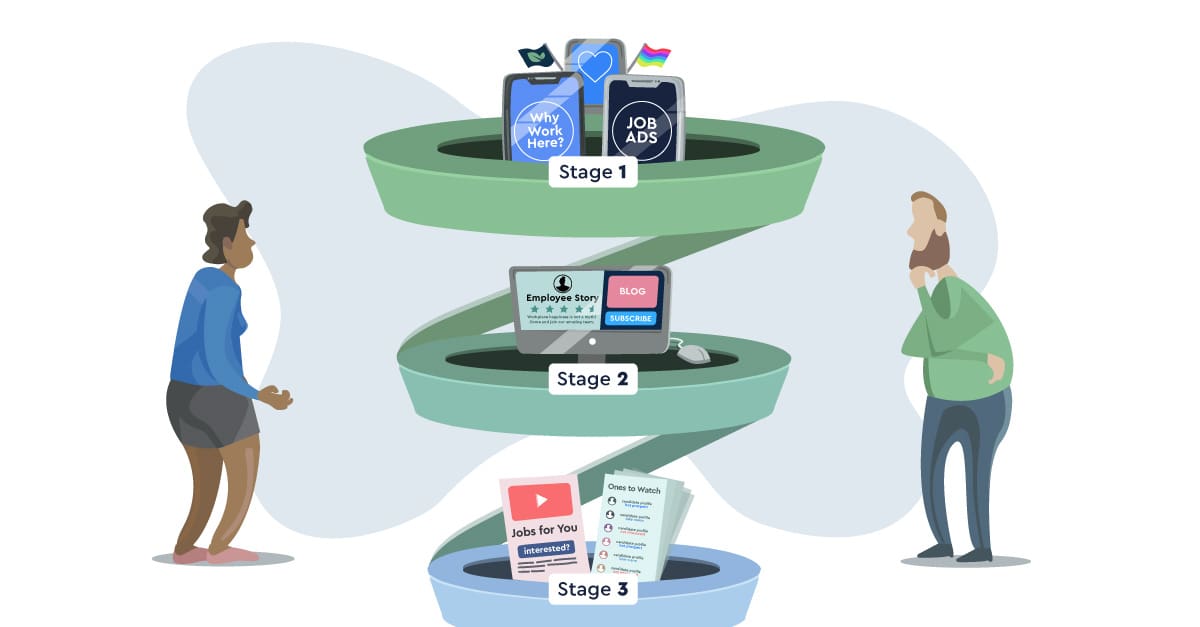
Talent acquisition teams need to shift from “filling roles” to building sustainable talent pipelines. By leveraging recruitment marketing and CRM tools, teams can focus on long-term sourcing, segment-based nurturing, and building communities for hard-to-fill and future roles. This proactive approach reduces time-to-fill, strengthens candidate quality, and lowers agency reliance – all major wins for the business.
5. Turning data into direction
Put your data to work to turn key insights into action. Talent acquisition teams can optimiseoptimize channel mix, spot funnel roadblocks, and deliver talent intelligence that helps leaders make better decisions. Solutions like PageUp Talent Acquisition Suite centralisecentralize data across the recruitment funnel, making it easier to deliver insights that shift talent acquisition from an operational function to a strategic, evidence-driven partner.
6. Strengthening employer brand and EVP activation
Talent acquisition plays a larger role in shaping how the organisationorganization appears to candidates. By adopting a marketers mindset or collaborating with internal marketing teams to create authentic content, amplify employee stories, and tailor messaging for different generations and talent segments. The result is a stronger, more consistent brand in a competitive market.
7. Elevating internal mobility and skills-based hiring
As teams get more efficient at sourcing and screening, talent acquisition can invest in identifying internal talent with the skills or potential to grow into new roles. This creates healthier mobility pathways, reduces turnover, and ensures the organisationorganization retains critical capability. It helps shift hiring from credentials to skills, driving fairer and more inclusive outcomes.
8. Leading AI adoption with confidence
Talent acquisition is in the best position to champion the ethical and effective use of AI. There is the opportunity to help teams adopt new tools, develop AI literacy, and ensure technology is used responsibly and without bias. This positions talent acquisition as a forward-thinking, tech-aligned partner to the business.
9. Becoming the organisationorganization’s talent intelligence hub
Recruiters can deliver deeper competitive insights, from hiring trends to salary shifts to emerging skill demands. This intelligence supports better decisions across the business and elevates talent acquisition influence at the executive table.
10. Ensure the right technology supports the shift
To fully realiserealize this strategic potential, talent acquisition needs technology that scales with ambition. Systems like PageUp’s Talent Acquisition Suite streamline processes, consolidate data, and provide tools for recruitment marketing, CRM, AI-driven screening, and analytics. With the right tech in place, talent acquisition can move confidently from operational tasks to strategic impact.
It’s time to elevate your impact
AI isn’t shrinking the recruiter’s role, it’s expanding it. By removing repetitive tasks, talent acquisition is empowered to focus on what drives real business outcomes: strategy, partnership, intelligence, and human connection.
The future of talent acquisition belongs to teams that use AI and the right technology, not just to move faster, but to elevate their impact, influence, and value across the organisationorganization.
Talent acquisition leaders who embrace this shift will move from operational support to strategic influence, proving that recruitment is not just a cost center, but a business accelerator. The question isn’t how AI will change recruitment – it’s how your team will use AI and technology to change the game?
Fresh insights for HR
Stay up to date with HR trends, tips and more when you sign up for our industry newsletter